How Montessori Toys Encourage Developmental Growth

Montessori toys are designed to support a child's natural curiosity and learning process. These toys are not just playthings; they are tools that encourage developmental growth in various areas such as motor skills, cognitive abilities, and social-emotional development. Unlike conventional toys, Montessori toys focus on simplicity, natural materials, and purposeful design to foster independent learning and creativity.
The Role of Montessori Toys in Child Development
Montessori toys play a crucial role in helping children develop essential skills. They are carefully crafted to engage children in hands-on activities that promote concentration, coordination, and problem-solving. For example, wooden stacking blocks help improve fine motor skills and hand-eye coordination, while puzzle boards encourage logical thinking and spatial awareness.
These toys are often made from natural materials like wood, cotton, and metal, which provide sensory experiences that plastic toys cannot. The textures, weights, and smells of these materials stimulate a child’s senses and contribute to sensory development. Additionally, Montessori toys are designed to be self-correcting, allowing children to learn from their mistakes without adult intervention, which builds confidence and independence.

How Montessori Toys Foster Cognitive and Motor Skills
Montessori toys are excellent for developing both cognitive and motor skills simultaneously. Cognitive skills such as memory, attention, and problem-solving are enhanced through activities that require children to think critically and make decisions. For instance, shape sorters and matching games challenge children to recognize patterns and shapes, improving their visual discrimination and categorization skills.
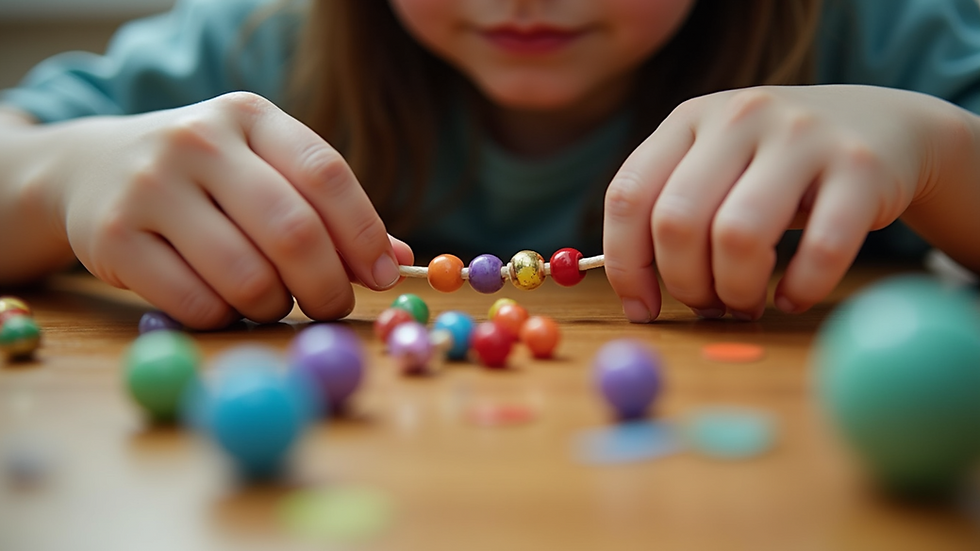
Motor skills, both fine and gross, are also nurtured through Montessori toys. Fine motor skills develop as children manipulate small objects like beads, buttons, or lacing cards. Gross motor skills can be encouraged with toys that require movement, balance, or coordination, such as balance boards or push carts.
Parents and educators can support this development by providing a variety of toys that target different skills and by encouraging children to explore at their own pace. It is important to create an environment where children feel safe to experiment and learn through trial and error.
Encouraging Independence and Creativity with Montessori Toys
One of the key benefits of Montessori toys is their ability to promote independence and creativity. These toys are designed to be open-ended, meaning they can be used in multiple ways, allowing children to use their imagination and creativity. For example, simple wooden blocks can become anything from a tower to a bridge or a house, depending on the child’s ideas.
Montessori toys also encourage children to take charge of their learning. Because many of these toys are self-correcting, children can figure out how to use them without constant adult guidance. This autonomy helps build self-esteem and a sense of responsibility.
To maximize these benefits, it is helpful to organize toys in an accessible way, such as on low shelves or in baskets, so children can choose what they want to play with independently. This setup supports decision-making and fosters a love for learning.

Practical Tips for Choosing Montessori Toys
When selecting Montessori toys, consider the following practical tips to ensure they support developmental growth effectively:
Choose natural materials - Opt for toys made from wood, cotton, or metal rather than plastic to provide rich sensory experiences.
Look for simplicity - Avoid toys with too many buttons, lights, or sounds. Simple toys encourage focus and creativity.
Select age-appropriate toys - Ensure the toys match the child’s developmental stage to provide the right level of challenge.
Prioritize open-ended toys - Toys that can be used in multiple ways promote creativity and problem-solving.
Consider safety - Check for non-toxic finishes and smooth edges to keep playtime safe.
For those interested in high-quality options, a montessori educational toy can be a great investment. These toys are designed with the Montessori philosophy in mind and can support your child’s growth in a meaningful way.
Supporting Social and Emotional Development Through Play
Montessori toys also contribute to social and emotional development. Playing with these toys often involves sharing, taking turns, and cooperating with others, which helps children develop empathy and communication skills. Group activities with Montessori toys can encourage teamwork and build friendships.
Moreover, the focus on self-directed play helps children regulate their emotions and develop patience. When children engage deeply with a toy, they learn to concentrate and manage frustration, which are important emotional skills.
Parents and caregivers can support this by encouraging group play and modeling positive social interactions. Creating a calm and inviting play space also helps children feel secure and ready to explore.
Montessori toys offer a holistic approach to child development by nurturing physical, cognitive, social, and emotional growth. Their thoughtful design and natural materials make them ideal tools for fostering independence, creativity, and lifelong learning habits. By choosing the right Montessori toys and creating a supportive environment, you can help children thrive in their early years and beyond.


Comments